Meteor Showers: When, Where, and How to Watch Them
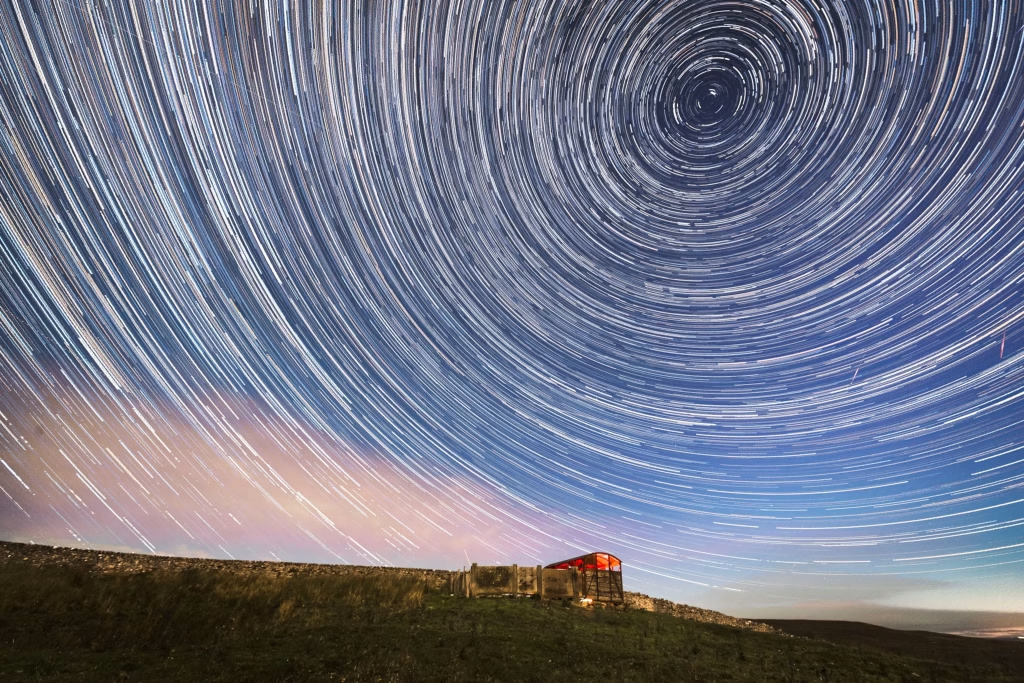
Meteor showers are among the most spectacular and accessible astronomical events visible from Earth. Every year, streams of cosmic debris enter our atmosphere, creating dazzling streaks of light across the night sky. Observing meteor showers provides not only a sense of wonder but also insights into the workings of our solar system. This article explores the science behind meteor showers, the best viewing times and locations, and tips for both beginners and experienced stargazers to maximize the experience.
What Are Meteor Showers?
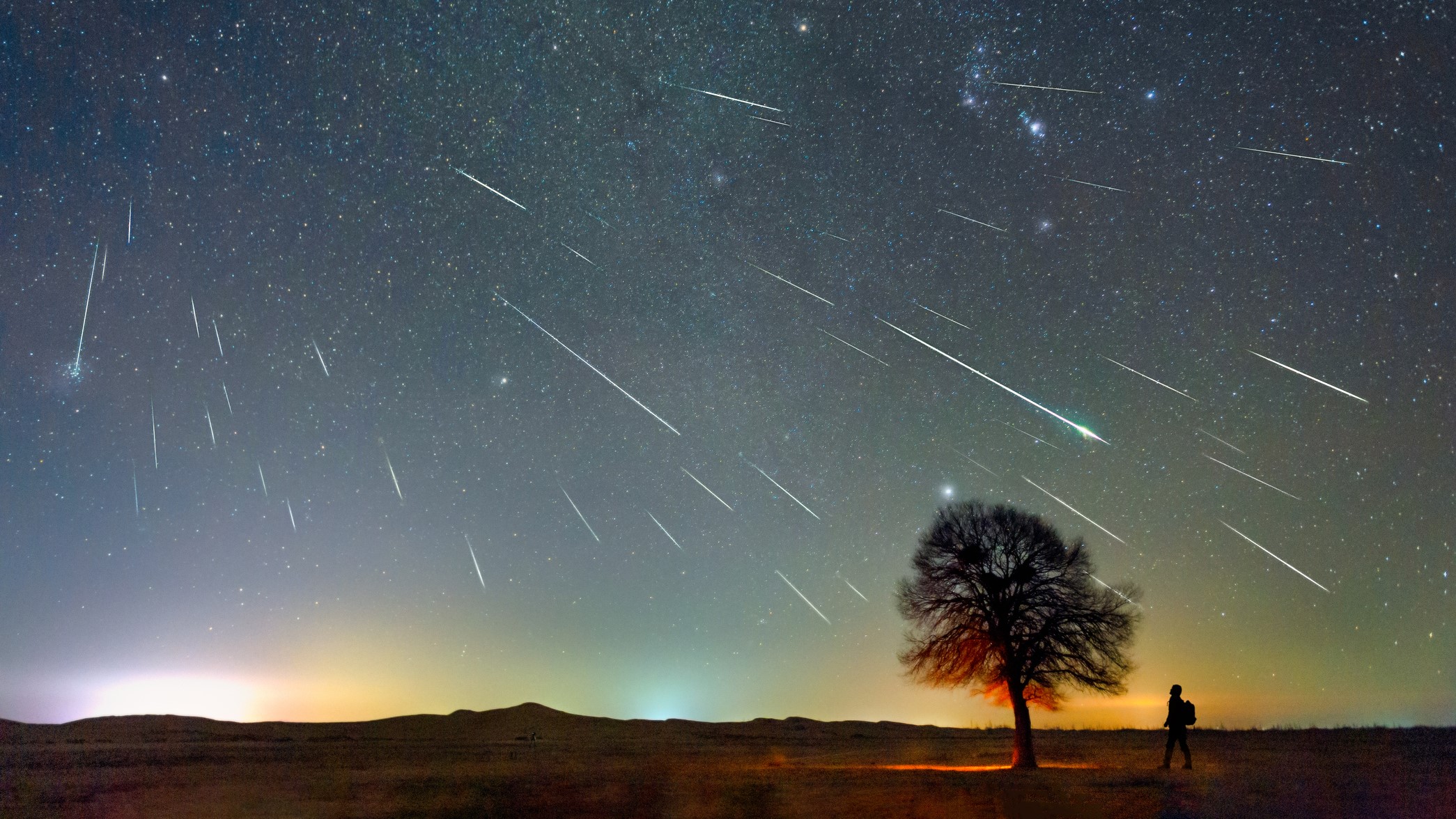
Meteor showers occur when Earth passes through streams of debris left behind by comets or asteroids. These particles, often no larger than grains of sand, enter the atmosphere at high speeds, heating up due to friction and producing bright streaks of light, commonly referred to as “shooting stars.” While meteors can appear anywhere in the sky, they often seem to radiate from a specific point called the radiant, which is associated with the parent comet.
The Difference Between Meteors, Meteoroids, and Meteorites
- Meteoroid: A small rock or particle in space.
- Meteor: The streak of light produced when a meteoroid enters Earth’s atmosphere.
- Meteorite: A meteoroid that survives atmospheric entry and lands on Earth.
Major Meteor Showers of the Year
Some meteor showers are annual events that can be anticipated with precision, while others are sporadic. Here are some of the most notable:
Perseids
Occurs in mid-August and is associated with the comet Swift-Tuttle. The Perseids are known for their bright meteors and high rates, sometimes exceeding 100 meteors per hour under optimal conditions. The radiant is in the constellation Perseus.
Geminids
Occurs in December, with the radiant in Gemini. This meteor shower is considered one of the most reliable and spectacular, producing colorful meteors and rates up to 120 per hour.
Quadrantids
Active in early January, the Quadrantids produce a short but intense peak, with the radiant located in the former constellation Quadrans Muralis. Expect up to 80 meteors per hour at the peak.
Lyrids
Occurring in April, the Lyrids are associated with comet C/1861 G1 Thatcher. Meteor rates are moderate, around 20 per hour, but some meteors can be exceptionally bright.

When and Where to Watch Meteor Showers
Maximizing your meteor shower experience requires careful consideration of timing, location, and environmental conditions.
Timing Considerations
- Peak Nights: Meteor showers have peak activity periods, usually predicted by astronomers based on Earth’s orbit and comet debris trails.
- Moon Phase: A new moon or crescent moon is ideal, as bright moonlight can wash out faint meteors.
- Local Time: Late night to pre-dawn hours are generally best, as the sky opposite the sun is darkest and meteors are most visible.
Best Locations
Dark-sky areas away from city lights provide the clearest views. National parks, remote deserts, and elevated areas with minimal light pollution are ideal. You can use tools like the Dark Site Finder to locate optimal viewing sites near you.
Tips for Observing Meteor Showers
Even without professional equipment, you can have a remarkable experience observing meteor showers.
Equipment
- Binoculars or telescopes are optional, but most meteors are visible to the naked eye.
- Comfortable seating, such as reclining chairs or blankets, helps you spend long hours looking at the sky.
- Warm clothing and snacks improve endurance, especially for cold-weather showers like the Geminids.
Observation Techniques
- Allow your eyes 20–30 minutes to adjust to darkness for optimal night vision.
- Look towards the general radiant but don’t fixate; meteors appear across the sky.
- Use red flashlights if you need to read charts or notes, as red light preserves night vision.
Photography and Recording
Astrophotographers can capture meteors with long-exposure techniques using a camera on a tripod. Wide-angle lenses and high ISO settings increase the chances of capturing multiple meteors in a single frame.
Scientific Importance of Meteor Showers
Meteor showers are not just beautiful—they provide important scientific insights:
- Understanding the composition of comets and asteroids through meteoroid analysis.
- Studying the distribution of dust in the solar system and its interactions with planetary atmospheres.
- Monitoring potential meteor impacts and planetary defense research.
Unexpected Events and Fireballs
Occasionally, meteoroids larger than usual create fireballs—exceptionally bright meteors visible over wide areas. Tracking these rare events contributes to our understanding of small near-Earth objects and their trajectories.
Meteor showers offer a direct connection to the dynamic processes of our solar system, combining beauty with scientific significance. By understanding the best times, locations, and techniques for observing, anyone can enjoy these celestial events safely and effectively. Whether you are a casual stargazer or an aspiring astronomer, meteor showers are a timeless spectacle that remind us of the vastness and wonder of space.
Si quieres conocer otros artículos parecidos a Meteor Showers: When, Where, and How to Watch Them puedes visitar la categoría Solar System.
Leave a Reply