How to Read a Star Map and Not Get Lost in the Sky
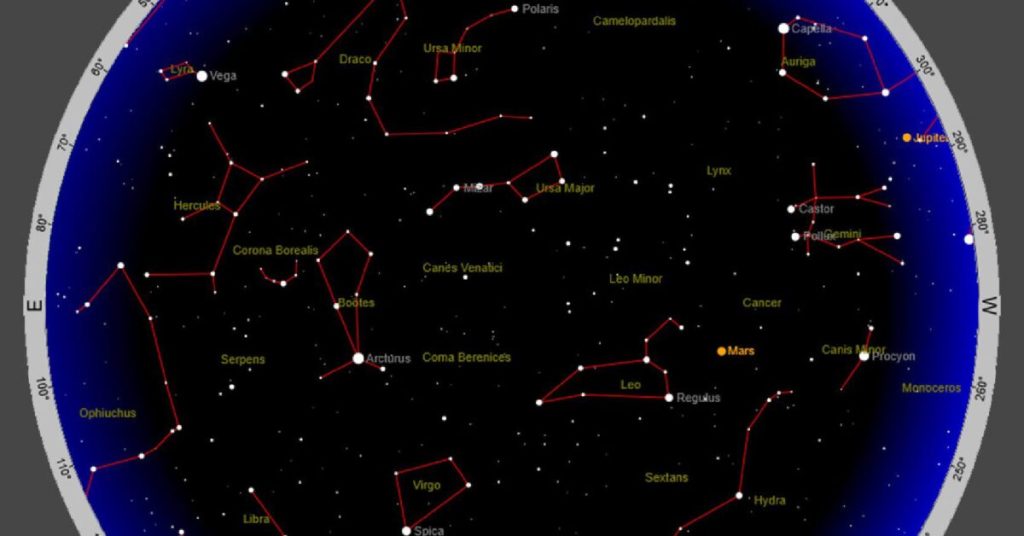
Learning how to Read a Star Map may seem intimidating at first, but with the right approach, it becomes an intuitive and rewarding skill. This guide breaks down everything you need to know — from understanding basic symbols to orienting yourself under the real night sky — so you can explore the cosmos without feeling lost.
What Is a Star Map?
A star map is a visual representation of the night sky at a specific
. It shows the positions of stars, constellations, planets, and other celestial objects as seen from Earth. Unlike
, star maps are simplified diagrams designed to highlight patterns and relationships rather than exact visual detail.
Modern star maps are based on precise astronomical data and are adjusted for Earth’s rotation and orbit. This means the sky appears different depending on the time of year, time of night, and your geographic location.
Why Learning to Read a Star Map Matters
Understanding a star map allows you to:
- Identify constellations and bright stars
- Track the movement of planets
- Plan stargazing sessions efficiently
- Develop spatial awareness of the sky
- Connect with the long tradition of observational astronomy
More importantly, it transforms the night sky from random points of light into a meaningful, navigable landscape.
Key Elements of a Star Map
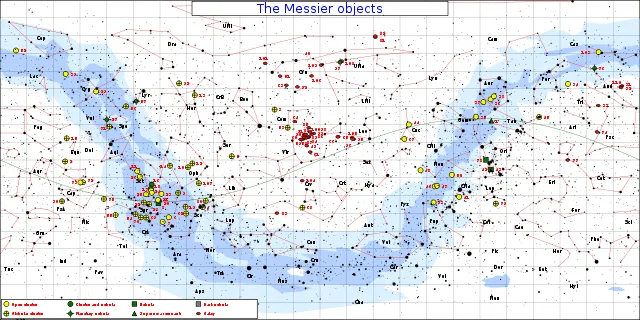
Before you can confidently navigate the sky, you need to understand the basic components found on most star maps.
Stars and Brightness
Stars are typically represented as dots of varying sizes. The larger the dot, the brighter the star appears from Earth. This visual hierarchy helps you quickly identify the most prominent stars, which often serve as anchors for locating constellations.
Constellation Lines
Many star maps include lines connecting stars into recognizable patterns known as constellations. These lines are imaginary, but they provide a helpful framework for memorization and navigation.
Celestial Coordinates
Advanced star maps may include celestial coordinates, similar to latitude and longitude on Earth. Right ascension and declination help astronomers pinpoint objects precisely, though beginners can safely ignore these until later.
The Horizon and Cardinal Directions
Most star maps are oriented around the horizon and labeled with cardinal directions: north, south, east, and west. Correct orientation is crucial when using a star map outdoors.
Understanding Sky Orientation
One of the most common beginner mistakes is holding a star map incorrectly. Unlike regular maps, star maps must be oriented to match the direction you are facing.
Matching the Map to the Sky
If you are facing north, rotate the map so the “north” label is at the bottom. This may feel counterintuitive at first, but it ensures the stars on the map align with what you see overhead.
Failing to rotate the map is the main reason people feel confused when they first try to Read a Star Map.
Choosing the Right Star Map
Not all star maps are created equal. Selecting the right one depends on your experience level and observing goals.
Printed Star Charts
Traditional printed charts are reliable and do not require batteries or internet access. Many are designed for specific months, making them easy to use.
Planispheres
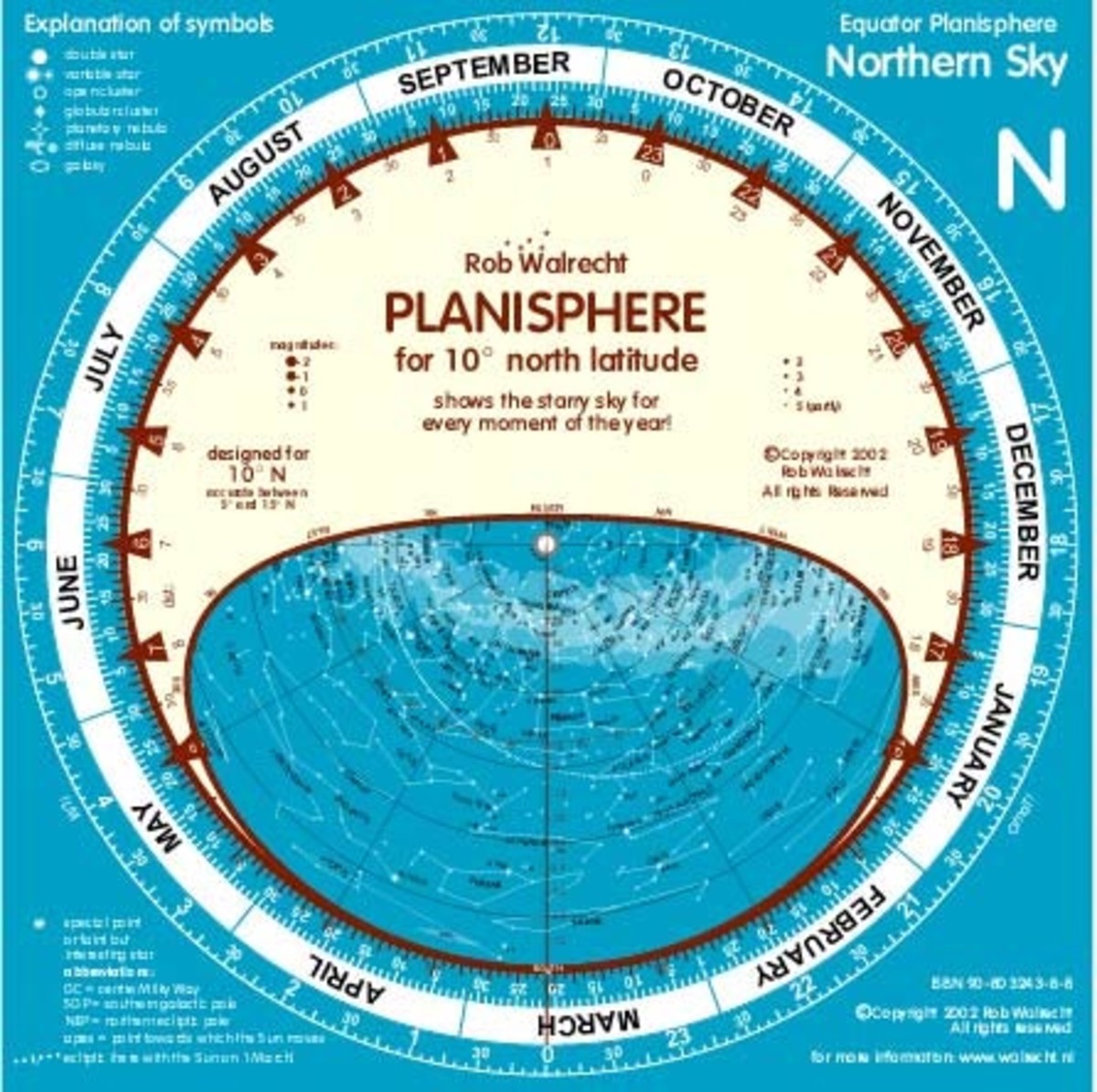
A planisphere is a rotating star map that allows you to adjust the date and time. It’s one of the best tools for beginners because it dynamically reflects the visible sky.
Digital Star Maps
Apps and online tools offer real-time sky simulations using GPS and sensors. While convenient, they can reduce spatial learning if relied on too heavily.
Step-by-Step: How to Read a Star Map Outdoors
Follow these steps for a smooth first stargazing experience:
Step 1: Know Your Location and Time
Star maps are location-dependent. Make sure your map corresponds to your hemisphere and adjust it for the current date and time.
Step 2: Find the Cardinal Directions
Use a compass or a known landmark to determine north, south, east, and west. This anchors your entire observation session.
Step 3: Start with Bright Stars
Locate the brightest stars first. These are easiest to identify and help you build confidence quickly.
Step 4: Trace Constellations
Once you find a bright star, use constellation lines on the map to trace patterns in the sky. Over time, these shapes become second nature.
Common Beginner Mistakes
Learning to Read a Star Map takes practice. Avoid these common pitfalls:
- Observing in light-polluted areas
- Not allowing eyes to adapt to darkness
- Expecting stars to look like photographs
- Ignoring seasonal sky changes
Patience and repetition are key. Even experienced astronomers started by feeling lost under the stars.
Seasonal Changes in the Night Sky
The night sky changes throughout the year as Earth orbits the Sun. This means certain constellations are only visible during specific seasons.
Understanding this cycle helps you plan observations and deepens your appreciation of Earth’s place in space.
Using Star Maps for Navigation and Science
Star maps are not just for casual stargazing. They play an important role in scientific research, satellite tracking, and even spacecraft navigation.
By mastering the fundamentals, you connect with techniques used by astronomers for centuries.
Developing Long-Term Sky Familiarity
The goal is not to memorize every star, but to build a mental map of the sky. Over time, you will instinctively know where to look for certain objects.
This skill transforms stargazing from a technical exercise into a deeply personal experience.
Why Star Maps Still Matter in the Digital Age
Despite powerful telescope, star maps remain foundational. They encourage active learning and spatial understanding in ways automated tools cannot.
Being able to confidently Read a Star Map empowers you to explore the universe on your own terms.
Final Thoughts
The night sky is one of humanity’s oldest classrooms. Learning how to navigate it connects you with explorers, scientists, and storytellers across history.
With practice, patience, and curiosity, star maps become more than charts — they become gateways to understanding the universe.
Si quieres conocer otros artículos parecidos a How to Read a Star Map and Not Get Lost in the Sky puedes visitar la categoría Solar System.
Leave a Reply