The Best Astronomical Events of the Year You Can't Miss
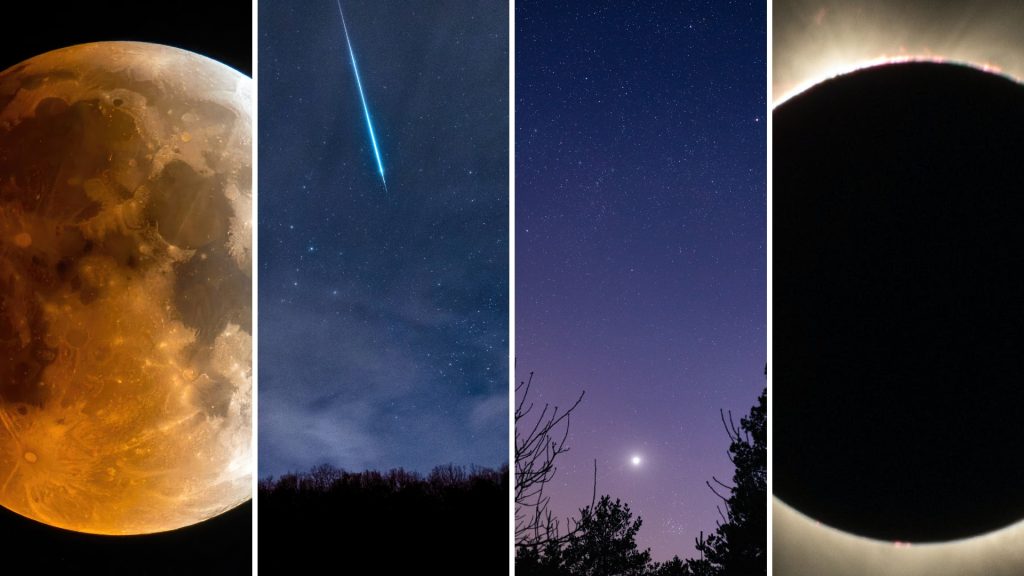
Why Astronomical Events Are So Captivating
Unlike regular stars and planets, astronomical events are transient and often spectacular. They can showcase the dynamic nature of our solar system and the universe beyond:- Demonstrating gravitational interactions, such as eclipses and transits
- Revealing meteor activity as Earth passes through comet trails
- Offering rare alignments of planets, visible without telescopes
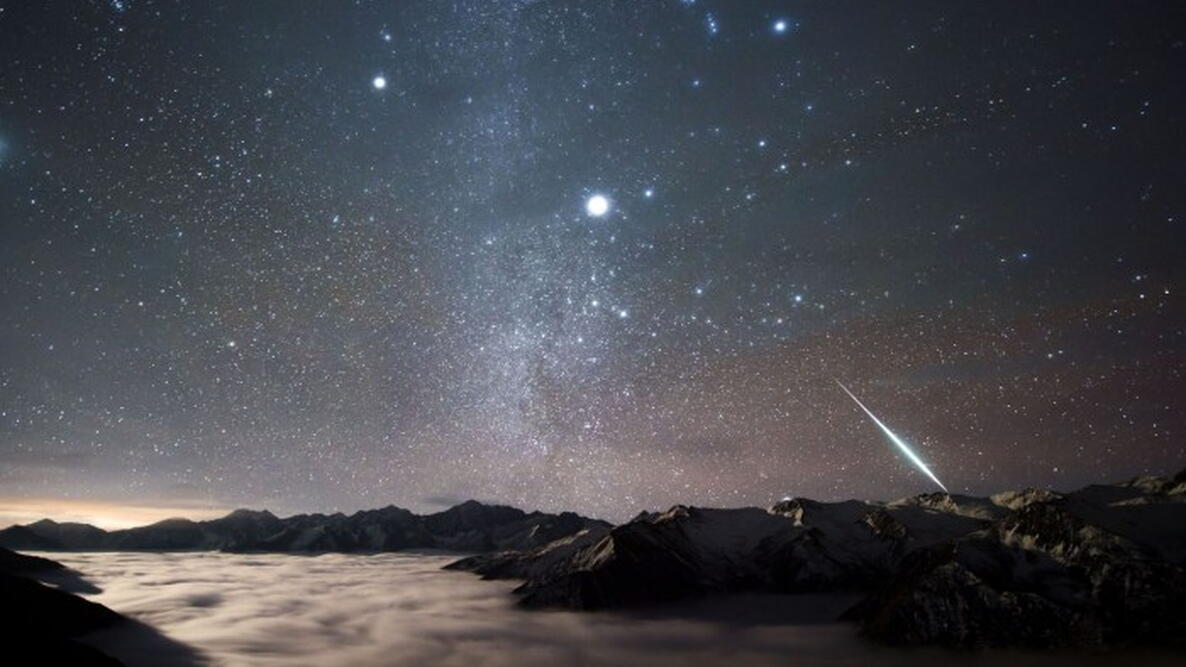
Meteor Showers: Nature’s Annual Fireworks
Meteor showers are among the most accessible and awe-inspiring astronomical events. These occur when Earth passes through debris left by comets, creating streaks of light as particles burn up in our atmosphere.Major Meteor Showers
- Perseids: Peaking in August, they can produce up to 100 meteors per hour under ideal conditions.
- Geminids: Occurring in December, often regarded as the most spectacular meteor shower of the year.
- Quadrantids: Early January event, brief but intense.
Eclipses: Celestial Alignments
Eclipses occur when one celestial body passes in front of another, temporarily blocking its light. Both solar and lunar eclipses are highly anticipated astronomical events that offer unique observational experiences.Lunar Eclipses
During a lunar eclipse, the Moon passes into Earth’s shadow, turning a coppery red in a phenomenon often called a “blood moon.” These eclipses are safe to watch with the naked eye and provide an incredible opportunity for astrophotography.Solar Eclipses
Solar eclipses, on the other hand, occur when the Moon passes between Earth and the Sun, temporarily obscuring sunlight. Viewing a solar eclipse requires proper eye protection. Total eclipses, though rare, are unforgettable experiences, while partial eclipses are more common but still worth observing.Planetary Oppositions and Conjunctions
Planets sometimes appear unusually bright due to opposition or conjunction events. During opposition, a planet is directly opposite the Sun from Earth, making it fully illuminated and visible all night.Notable Planetary Events
- Mars Opposition: Occurs roughly every two years, offering a prime view of the Red Planet.
- Jupiter-Saturn Conjunction: When the two gas giants appear extremely close in the sky, a rare spectacle sometimes called the “Great Conjunction.”
- Venus at Greatest Elongation: Venus shines brightly in the evening or morning sky, visible to the naked eye.
Comets: Messengers From the Outer Solar System
Comets are icy bodies that develop tails when approaching the Sun. While many comets pass unnoticed, occasionally one becomes bright enough to see with the naked eye. Such comets are rare and often become headline events in the astronomy community. Watching a comet can be thrilling, especially when it intersects with other astronomical events, like meteor showers, offering a multi-layered experience in the night sky.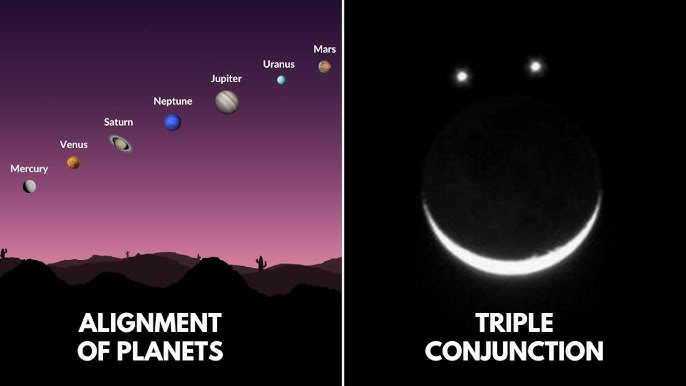
Annual Celestial Highlights
Aside from transient events, certain recurring celestial phenomena are worth marking on your calendar:- Equinoxes and Solstices: While not visible in the sky, they mark key seasonal changes and affect daylight duration.
- Milky Way Visibility: Best viewed during summer months in the Northern Hemisphere and winter months in the Southern Hemisphere.
- Planetary Transits: Rare alignments where a planet passes in front of the Sun, observable with specialized equipment.
Tips for Enjoying Astronomical Events
To fully appreciate the best astronomical events of the year, consider these practical tips:1. Plan Ahead
Consult astronomy calendars to mark dates of eclipses, meteor showers, and planetary events. Planning ensures you are in the right place at the right time.2. Find Dark Skies
Light pollution diminishes visibility. National parks and remote areas are ideal for stargazing.3. Use Binoculars or Telescopes
While many events are visible to the naked eye, telescopes enhance planetary views, reveal craters on the Moon, and capture comet tails in detail.4. Dress Comfortably
Some events, like meteor showers, require long periods outdoors. Warm clothing and a reclining chair improve comfort.5. Record Your Observations
Keeping a stargazing journal, sketching constellations, or photographing events helps reinforce learning and preserves memories.Why Observing Astronomical Events Matters
Observing these events connects us to the universe in a profound way. They remind us of the vastness of space, the motion of celestial bodies, and humanity’s long tradition of sky-watching. Scientific discoveries often start with casual observation, as was the case with meteors, planetary motion, and comets. Furthermore, experiencing these events firsthand fosters curiosity and encourages exploration of more advanced astronomy topics, from astrophysics to cosmology. From meteor showers streaking across the night sky to eclipses that transform the Moon’s color, the best astronomical events of the year offer unforgettable experiences. By planning, observing, and learning, you can connect with the cosmos in a way that is both educational and awe-inspiring. No matter where you live, there is always something happening above your head. Make it a point to witness these celestial phenomena and cultivate your own personal connection to the universe.Si quieres conocer otros artículos parecidos a The Best Astronomical Events of the Year You Can't Miss puedes visitar la categoría Space News & Discoveries.
Go up
Leave a Reply