Historic Missions That Changed What We Know About Mars
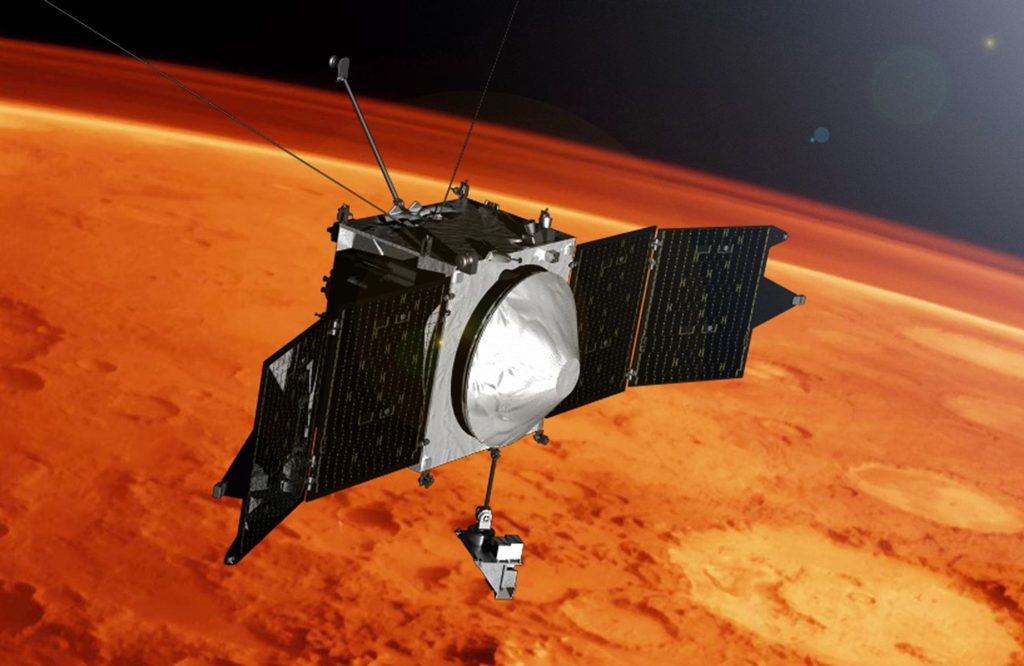
This article explores the historic missions that changed what we know about Mars, examining how each major endeavor contributed new insights into Martian geology, climate, water history, and habitability. Together, they form a narrative of discovery that continues to influence space exploration today.
The Early Dreams of Reaching Mars
Before spacecraft ever left Earth, Mars existed primarily in the realm of imagination. Telescopic observations in the 19th and early 20th centuries suggested surface features that some interpreted as artificial canals. These ideas fueled speculation about intelligent life but were ultimately based on optical illusions and limited technology.
The Space Age transformed Mars from a distant curiosity into a reachable destination. Advances in rocketry after World War II made interplanetary travel possible, setting the stage for a new era of scientific discovery driven by direct observation rather than speculation.
Mariner 4: Humanity’s First Close Look
In 1965, Mars - NASA Science Mariner 4 mission delivered the first successful flyby of Mars. As the spacecraft passed within 10,000 kilometers of the planet, it transmitted 22 grainy images back to Earth. Though primitive by modern standards, these photographs were revolutionary.
The images revealed a cold, cratered surface resembling the Moon rather than a lush, Earth-like world. Atmospheric measurements showed Mars had a thin atmosphere, incapable of supporting liquid water on the surface as previously imagined. This single mission shattered long-held beliefs and marked one of the most Historic missions in planetary science.
Mariner 4 fundamentally changed scientific expectations. Mars was no longer seen as a near twin of Earth but as a harsh, barren world shaped by ancient impacts and extreme environmental conditions.
Viking Program: Searching for Life
The Viking missions of the 1970s represented a quantum leap in Mars exploration. Viking 1 and Viking 2 each consisted of an orbiter and a lander, providing both global mapping and direct surface analysis.
First Successful Landings
For the first time, humanity placed instruments directly on the Martian surface. The landers conducted experiments designed to detect microbial life, analyze soil chemistry, and measure atmospheric conditions.
While the life-detection experiments produced ambiguous results, they sparked decades of debate and research. Importantly, Viking provided undeniable evidence that Mars once had a more dynamic climate, including signs of ancient river channels and flood plains.
Long-Term Scientific Impact
The Viking program established engineering standards still used today and helped refine mission planning, landing techniques, and surface operations. Among the most istoric missions, Viking reshaped Mars exploration from short encounters to sustained scientific investigation.
Mars Pathfinder and Sojourner: Mobility Changes Everything
After a long pause in Mars exploration, NASA returned in 1997 with Mars Pathfinder. This historic missions introduced a new concept: mobile surface exploration.
The First Mars Rover
Sojourner, a small six-wheeled rover, became the first robotic vehicle to roam another planet. Though modest in size, it demonstrated the immense scientific value of mobility. Sojourner analyzed rocks, studied soil composition, and provided close-up images unavailable to stationary landers.
Pathfinder confirmed that Mars experienced massive flooding in its distant past, strengthening the case for ancient liquid water.
Mars Global Surveyor: Mapping a Planet
Launched in 1996, Mars Global Surveyor spent nearly a decade orbiting Mars. Its mission was simple yet transformative: map the planet in unprecedented detail.
Rewriting Geological History
The spacecraft revealed layered sedimentary formations, ancient shorelines, and features shaped by wind and water. Its magnetometer detected remnant magnetic fields in the crust, suggesting Mars once had a global magnetic field similar to Earth’s.
This discovery implied that early Mars may have been protected from solar radiation, allowing a thicker atmosphere and potentially habitable conditions.
Spirit and Opportunity: Rovers That Defied Expectations
This historic missions arriving in 2004, the Spirit and Opportunity rovers transformed surface exploration. Designed for 90-day missions, both rovers far exceeded their expected lifespans.
Opportunity’s Water Evidence
Opportunity discovered hematite-rich spherules, nicknamed “blueberries,” which form in the presence of water. This provided compelling evidence that liquid water once existed on Mars for extended periods.
Spirit’s Volcanic Insights
Spirit explored volcanic terrain and uncovered signs of hydrothermal activity, environments on Earth often associated with microbial life.
These findings elevated the rovers to legendary status among Historic missions, reshaping scientific consensus about Mars’ habitability.
Curiosity Rover: Mars as a Habitable World
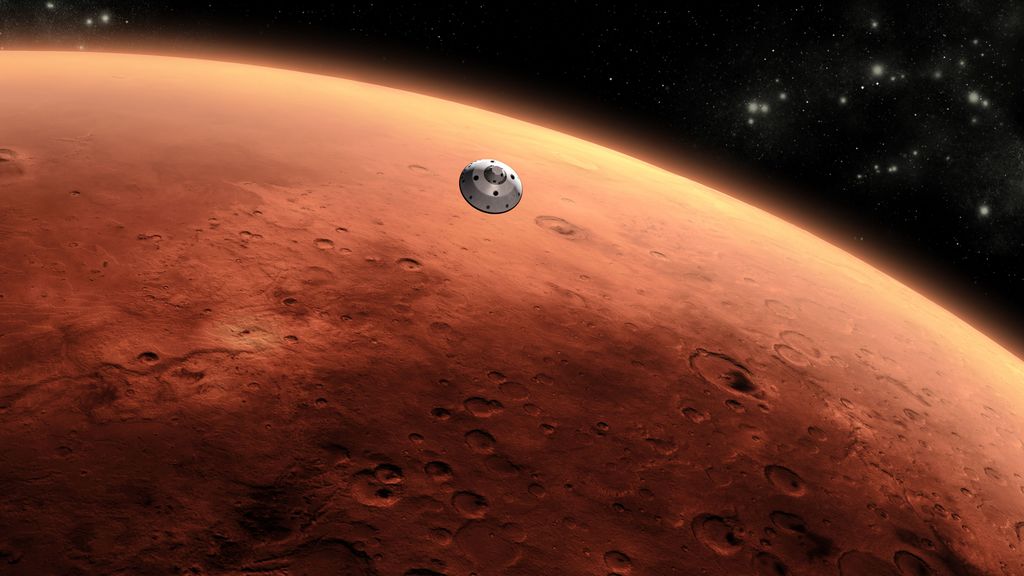
NASA’s Curiosity rover, which landed in Gale Crater in 2012, marked a new phase in Mars exploration. Unlike earlier missions focused on detecting water, Curiosity asked a deeper question: could Mars have supported life?
Advanced Scientific Toolkit
Curiosity’s onboard laboratory analyzed soil and rock samples, detecting organic molecules and identifying environments that were once chemically suitable for life.
The rover confirmed that ancient Mars had lakes, neutral pH water, and essential chemical ingredients for life. These discoveries redefined Mars as a planet that was once habitable, even if life never arose.
Mars Reconnaissance Orbiter: Eyes in the Sky
The Mars Reconnaissance Orbiter (MRO) plays a critical support role while also conducting groundbreaking science. With its high-resolution cameras, MRO can spot objects as small as a desk on the Martian surface.
It identified recurring slope lineae — dark streaks that may indicate seasonal flows of briny water. MRO also serves as a communication relay for surface missions, making it indispensable to modern exploration.
Perseverance and Ingenuity: Preparing for the Future
Launched in 2020, NASA’s Perseverance rover represents the most ambitious Mars mission to date. Its primary goal is to search for signs of ancient microbial life and collect samples for eventual return to Earth.
Sample Return and Beyond
Perseverance is caching rock samples that will be retrieved by future missions, potentially answering the life question definitively. Alongside it, the Ingenuity helicopter demonstrated powered flight on another planet, opening a new dimension of exploration.
These innovations ensure Perseverance’s place among the most influential Historic missions in space exploration history.
International Contributions to Mars Exploration
Mars exploration is no longer the domain of a single nation. European Space Agency, India’s Mars Orbiter Mission, and China’s Tianwen-1 have each contributed valuable data.
These missions expanded global collaboration and demonstrated that Mars exploration is a shared human endeavor.
Why These Missions Matter Today
The cumulative impact of these missions extends far beyond scientific papers. This historic missionsThey influence engineering design, planetary protection policies, and future human exploration strategies helps scientists model climate change, planetary evolution, and the potential for life elsewhere in the universe. Each discovery builds upon the last, forming a continuous chain of knowledge.
The Enduring Legacy of Mars Exploration
The historic missions that changed what we know about Mars transformed a mysterious red dot into a complex world with a rich geological and climatic history. From barren assumptions to evidence of ancient lakes and habitable environments, Mars has repeatedly surprised us.
As new missions prepare to launch and sample return becomes a reality, Mars continues to challenge our understanding and inspire our imagination. The story is far from over — in many ways, it has only just begun.
Si quieres conocer otros artículos parecidos a Historic Missions That Changed What We Know About Mars puedes visitar la categoría Space Exploration & Missions.
Leave a Reply