Satellite Technology: How Communication, Navigation, and Weather Satellites Work
What Is Satellite Technology?
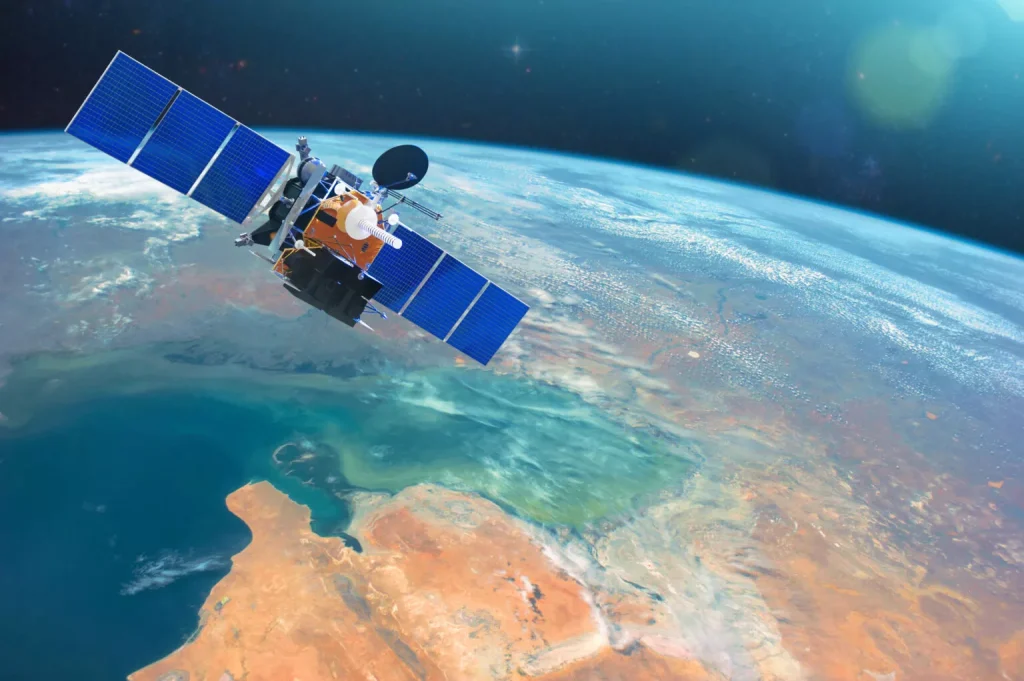
Satellite Technology refers to the design, deployment, and operation of artificial objects placed into orbit around Earth (or other celestial bodies) to collect data, relay signals, or perform scientific measurements. These systems rely on a combination of orbital mechanics, radio communication, onboard computing, and ground-based infrastructure.
Artificial satellites differ from natural ones, such as the Moon, in that they are engineered for specific purposes. Each satellite is equipped with instruments tailored to its mission, whether that mission involves broadcasting television signals, monitoring atmospheric conditions, or supporting global positioning systems.
Key Components of a Satellite
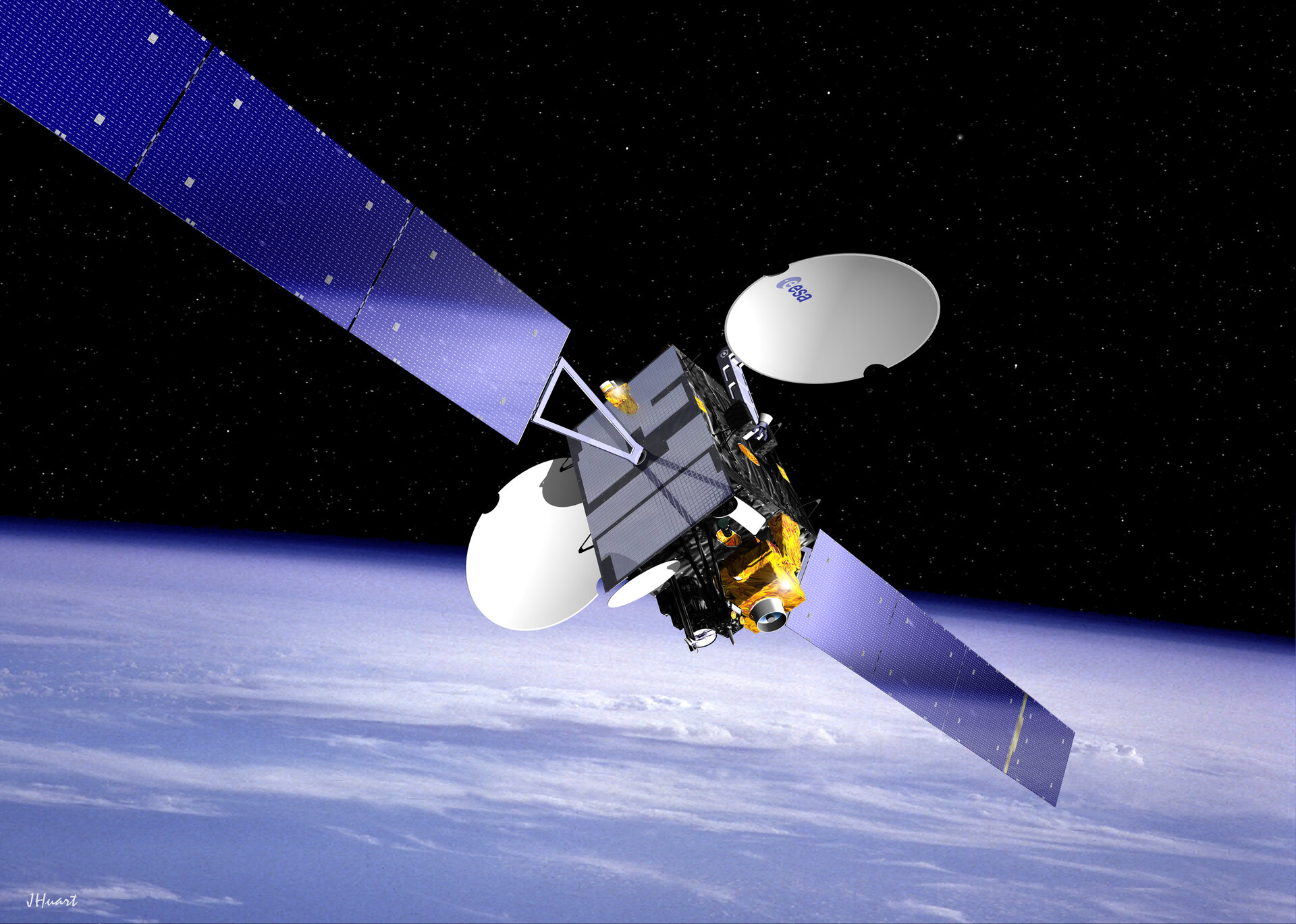
- Payload: The mission-specific instruments, such as cameras, sensors, or transponders.
- Power system: Usually solar panels combined with rechargeable batteries.
- Communication system: Antennas and radios that transmit and receive data.
- Attitude control: Gyroscopes and thrusters to maintain orientation.
- Thermal control: Systems that regulate temperature in space.
Together, these components allow satellites to function reliably in the harsh environment of space for years or even decades.
Orbital Mechanics: How Satellites Stay in Space
Satellites remain in orbit due to a balance between gravitational pull and forward velocity. As they fall toward Earth, their horizontal speed causes them to continuously miss the planet, satellite technology resulting in a stable orbit. This principle, first described by Isaac Newton, underpins all satellite operations.
Common Orbital Types
- Low Earth Orbit (LEO): 160–2,000 km above Earth; used for imaging and scientific missions.
- Medium Earth Orbit (MEO): Used primarily for navigation systems.
- Geostationary Orbit (GEO): Approximately 35,786 km above Earth, matching Earth’s rotation.
Each orbit serves a specific purpose, balancing coverage area, signal delay, and operational cost.
How Communication Satellites Work
Communication satellites act as relay stations in space. They receive signals transmitted from Earth, amplify them, and retransmit them back to different locations satellite technology . This process enables long-distance communication without reliance on terrestrial infrastructure.
Signal Transmission Process
- A ground station sends an uplink signal to the satellite.
- The satellite’s transponder receives and amplifies the signal.
- The signal is sent back to Earth as a downlink.
These signals typically operate in microwave frequency bands, which are well-suited for long-distance transmission through the atmosphere.
Applications of Communication Satellites
- Television and radio broadcasting
- Internet connectivity in remote areas
- Emergency communication systems
- Global phone networks
Navigation Satellites and Global Positioning Systems
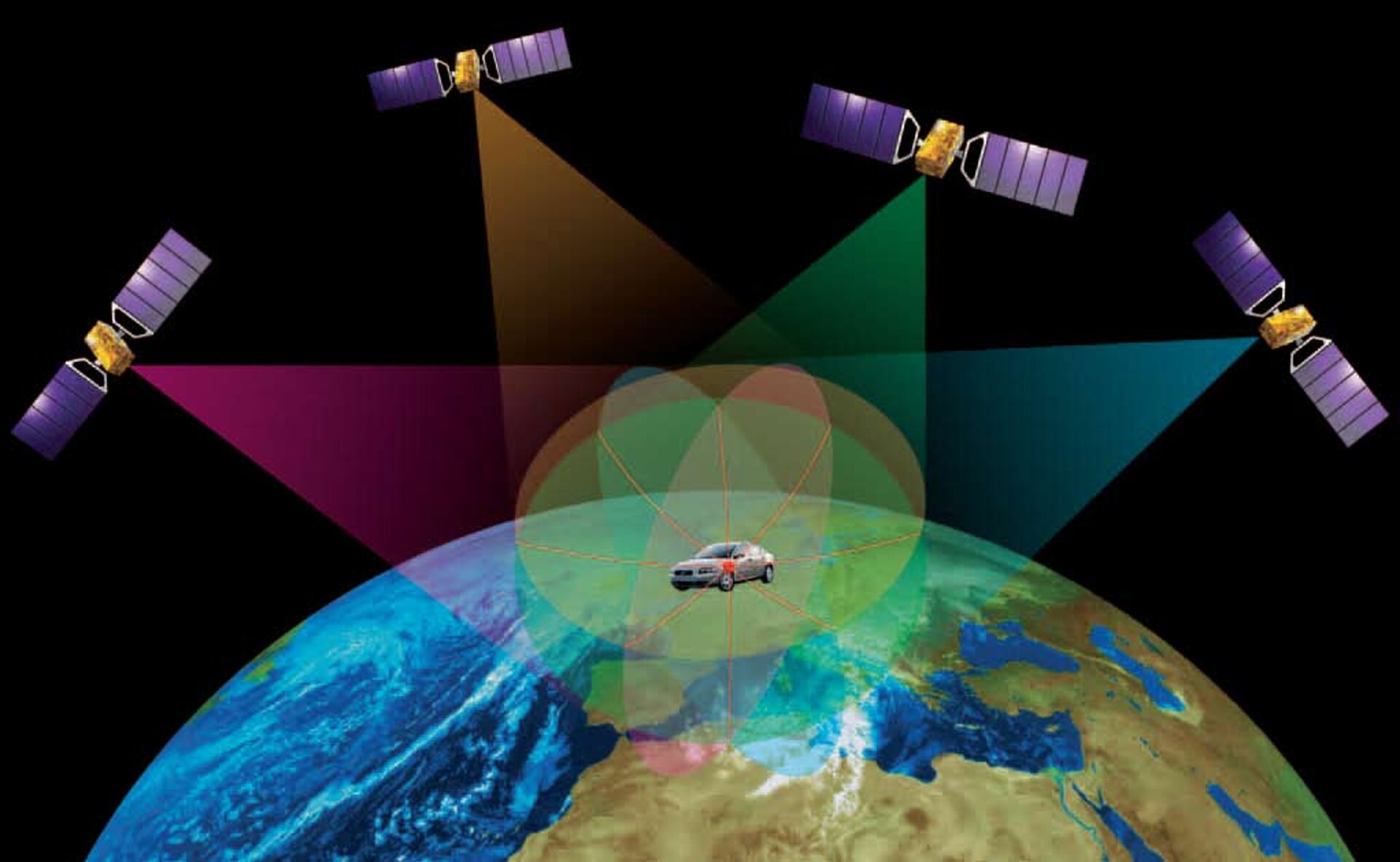
News Navigation satellites provide precise location and timing information by transmitting signals that receivers use to calculate distance. By comparing signals from multiple satellites, a receiver can determine its exact position on Earth.
How Positioning Works
Each navigation satellite broadcasts a timestamped signal. The receiver measures the time delay between transmission and reception, converting that delay into distance. Using signals from at least four satellites allows the receiver to calculate latitude, longitude, altitude, and time.
Major Navigation Systems
- GPS (United States)
- Galileo (European Union)
- GLONASS (Russia)
- BeiDou (China)
These systems are critical for aviation, maritime navigation, autonomous vehicles, and scientific research.
Weather Satellites and Climate Monitoring
Weather satellites observe Earth’s atmosphere, oceans, and land surfaces to collect data used in forecasting and climate research. They provide continuous satellite technology, large-scale coverage that ground-based systems cannot achieve alone.
Types of Weather Satellites
- Polar-orbiting satellites: Provide high-resolution global data.
- Geostationary satellites: Offer constant monitoring of specific regions.
These satellites measure cloud cover, temperature, humidity, wind patterns, and atmospheric composition. Agencies like the National Oceanic and Atmospheric Administration (NOAA) rely heavily on satellite data for accurate forecasts.
Ground Segment: The Hidden Backbone
While satellites operate in space, much of the system’s complexity resides on Earth. Ground stations control satellites, receive data, and distribute information to end users.
Functions of Ground Control
- Orbit adjustments and station keeping
- Software updates and diagnostics
- Data processing and distribution
Without reliable ground infrastructure, even the most advanced satellite would be ineffective.
Reliability, Security, and Trustworthiness
New Satellites are designed with redundancy and fail-safe systems to ensure intelligence artificial continuous operation. Engineers anticipate harsh radiation, temperature extremes, and micrometeoroid impacts when designing spacecraft.
Security is also a major concern. Encrypted communication links and controlled access to ground stations help protect sensitive data. International cooperation and regulation further enhance trust in satellite-based services.
The Future of Satellite Systems
Advances in miniaturization, and reusable launch vehicles satellite technology are transforming space operations. Smaller satellites, often deployed in constellations, are expanding coverage and reducing costs.
These developments promise improved connectivity, more accurate environmental monitoring, and
. As space becomes more accessible, satellite-based solutions will continue to integrate deeper into global infrastructure.
Satellites represent one of humanity’s most remarkable engineering achievements. By combining physics, electronics, and computational science, they deliver essential services that support communication, navigation, and weather prediction worldwide.
Understanding how these systems work not only highlights their technical sophistication but also underscores their importance to modern society. As innovation accelerates, satellite-based technologies will remain a cornerstone of scientific progress and global connectivity.
Si quieres conocer otros artículos parecidos a Satellite Technology: How Communication, Navigation, and Weather Satellites Work puedes visitar la categoría Space Exploration & Missions.
Leave a Reply